Le bout du monde
- Oh-là-là, impossible de trouver un travail décent maintenant, on demande toujours de se déplacer à l’autre bout du monde. En plus, il faut y aller longtemps, sinon « ça ne sert à rien ». Six mois encore, bon, un VIE d’un an, ça peut passer, avec les transports, je veux bien, mais alors c’est le maximum !
- Ouais, c’est vrai. Aux entretiens, on demande toujours « Vous êtes mobile ? » « Euh…oui…entre l’Opéra et le Louvre, je suis tout à fait mobile ! »…
J’ai entendu cette conversation vendredi matin dans le bus pour aller à l’école. En écoutant ça, je me suis pensé « je ne cherche qu’une chose, c’est un emploi qui me permettrait de partir à l’autre bout du monde pour 2-5 ans…être mobile, c’est comme ça que je m’imagine au moins la première partie de ma vie professionnelle. Tendance moderne qu’ils disent. Pourtant, apparemment, les jeunes cadres dynamiques qui sortent de l’ESSEC MBA ne pensent pas tous ainsi ! »
- …En plus, on demande d’y habiter « au moins 5 ans » pour avoir « l’expérience suffisante de l’environnement et du monde de travail là-bas. » Un an maximum pour moi ! avec les avions, l’Eurostar, je pourrais peut-être survivre…
Attendez! Mais c’est LONDRES, le « bout du monde », dont ils parlent depuis le début !! En sachant qu’on est à Paris, à 1,5 h de train…
Comme quoi, la mobilité internationale n’est pas encore un réflexe pour tout le monde !
Край света
- О-ля-ля, в наши дни невозможно найти приличную работу! Работодатели вечно требуют ехать работать куда-то на край света. К тому же надолго! Полгода, ну год максимум, ещё куда ни шло, можно ездить туда-обратно.
- Ага, точно. Спрашивают на собеседовании «Вы мобильны?» «Ну...в общем, да, между Оперой и Лувром я вполне мобильна!»
Этот разговор я услышала в пятницу утром в автобусе по дороге в школу. Я ещё подумала : «А я-то как раз наоборот ищу такую работу, чтобы можно было ехать «на край света» работать, по крайней мере на пару лет. Мобильность, а по-другому нельзя, неинтересно! А ещё говорят, что это глобальная тенденция. Что-то молодые многообещающие кадры из ESSEC MBA не все так думают.
- …Да к тому же там ещё и жить надо лет пять, чтобы «полностью понять атмосферу и специфики бизнеса». Для меня лично год – максимум! Самолёты, Евростар, как-нибудь выжить можно...
Постойте, так это они ведь о ЛОНДОНЕ говорят с самого начала как о «крае света»!! Учитывая, что находимся мы в Париже, полтора часа на поезде от Лондона...
Вот тебе и мобильность!
Monday, January 30, 2006


Friday, January 27, 2006
Париж – город туристов.
Вот нашла на странице некоего А.Баттана через privetparis.com
http://news.privetparis.com/alex.php?itemid=258
10/21/04 Париж – город туристов.
Париж – город туристов.
Бедные химеры на крыше Нотр-дама! Как устали они с утра до ночи и с ночи до утра наблюдать эти жуткие толпы приезжих.
Вот по набережной от Лувра до Шатле уверенно вышагивают дети гамбургеров и кока-колы – американские туристы. Зубы оскалены, речь громогласная, мегафонная, выражение лиц такое, как у поручика Ржевского при виде Наташи Ростовой. Улыбаются, значит. Потому как вокруг красотища-то такая! Машины гудят. Скутера снуют. Карапузы-полицейские в свистки пузыри дуют. Народ туда-сюда, туда-сюда.
- Как пройти посмотреть на эту самую Башню? Вы не говорите по-английски? А на чем же вы говорите? По-французски? О, ужас, как же вы здесь живете?
В Лувре Макдоналдс. Все как дома. Впрочем, американцы везде себя чувствуют как дома. «Мой дом – моя крепость», а крепости у подданных Буша теперь повсюду...
А вот в норковых шубах-дубленках летом и зимой, в злате-серебре напоказ скачут с выпученными глазами русскоязычные турпоходцы.
- Маша, Маша! Если на Монмарт, то нам налево.
- Какой налево, мы еще половину магазинов не осмотрели...
Западная Европа вышагивает непринужденно в плащевых курточках, с планами метро наперевес. При посещении очередной достопримечательности аккуратно ставит галочку. Шесть галочек в день. Три до обеда, три после. Суббота – Диснейленд. Воскресенье – Аквобульвар. Понедельник – жирный крестик на всем и домой, к своим бешенным коровам.
По лицам китайских туристов видно, что они приехали сюда по делам.
- Так, кто по музеям – направо, кто место под Солнцем застолбить – вперед, - быстренько объявляет на ступеньках гостиницы гид, после чего все бегут во главе с самим гидом вперед мимо Библиотеки Миттерана в сторону Префектуры для иностранцев. Китайцем некогда терять время на рассусоливания перед Мона Лизой. Поэтому, если вы увидите господина азиатской наружности, щелкающего цифровым фотоаппаратом на ступеньках Оперы, знайте, это - японец.
На Марсовом поле разомлевшие студенты и туристы попроще растягиваются на травке, в солнечный день обнажая свои хилые бицепсы.
- Кока-кола нада? Сувенира нада? Привет! Купи Тур Эфель! – снуют между ними индийцы-африканцы-корейцы, которые еще вчера тоже были туристами, а сегодня уже зарабатывают на хлеб.
И так – изо дня в день. Из года в год. Из Через-три-колоды в Париж и обратно. Ни землетрясений, ни самолетов на Монпарнас. И даже демонстрации типа «папье пур тус», «Нет Лепэну» и «работать поменьше, зарплату поднять» никого не развлекают. Потому и скучают химеры на крыше Нотр-Дама. Скучают и грустно поглядывают вниз на город, стараясь не замечать нас, вечных туристов
http://news.privetparis.com/alex.php?itemid=258
10/21/04 Париж – город туристов.
Париж – город туристов.
Бедные химеры на крыше Нотр-дама! Как устали они с утра до ночи и с ночи до утра наблюдать эти жуткие толпы приезжих.
Вот по набережной от Лувра до Шатле уверенно вышагивают дети гамбургеров и кока-колы – американские туристы. Зубы оскалены, речь громогласная, мегафонная, выражение лиц такое, как у поручика Ржевского при виде Наташи Ростовой. Улыбаются, значит. Потому как вокруг красотища-то такая! Машины гудят. Скутера снуют. Карапузы-полицейские в свистки пузыри дуют. Народ туда-сюда, туда-сюда.
- Как пройти посмотреть на эту самую Башню? Вы не говорите по-английски? А на чем же вы говорите? По-французски? О, ужас, как же вы здесь живете?
В Лувре Макдоналдс. Все как дома. Впрочем, американцы везде себя чувствуют как дома. «Мой дом – моя крепость», а крепости у подданных Буша теперь повсюду...
А вот в норковых шубах-дубленках летом и зимой, в злате-серебре напоказ скачут с выпученными глазами русскоязычные турпоходцы.
- Маша, Маша! Если на Монмарт, то нам налево.
- Какой налево, мы еще половину магазинов не осмотрели...
Западная Европа вышагивает непринужденно в плащевых курточках, с планами метро наперевес. При посещении очередной достопримечательности аккуратно ставит галочку. Шесть галочек в день. Три до обеда, три после. Суббота – Диснейленд. Воскресенье – Аквобульвар. Понедельник – жирный крестик на всем и домой, к своим бешенным коровам.
По лицам китайских туристов видно, что они приехали сюда по делам.
- Так, кто по музеям – направо, кто место под Солнцем застолбить – вперед, - быстренько объявляет на ступеньках гостиницы гид, после чего все бегут во главе с самим гидом вперед мимо Библиотеки Миттерана в сторону Префектуры для иностранцев. Китайцем некогда терять время на рассусоливания перед Мона Лизой. Поэтому, если вы увидите господина азиатской наружности, щелкающего цифровым фотоаппаратом на ступеньках Оперы, знайте, это - японец.
На Марсовом поле разомлевшие студенты и туристы попроще растягиваются на травке, в солнечный день обнажая свои хилые бицепсы.
- Кока-кола нада? Сувенира нада? Привет! Купи Тур Эфель! – снуют между ними индийцы-африканцы-корейцы, которые еще вчера тоже были туристами, а сегодня уже зарабатывают на хлеб.
И так – изо дня в день. Из года в год. Из Через-три-колоды в Париж и обратно. Ни землетрясений, ни самолетов на Монпарнас. И даже демонстрации типа «папье пур тус», «Нет Лепэну» и «работать поменьше, зарплату поднять» никого не развлекают. Потому и скучают химеры на крыше Нотр-Дама. Скучают и грустно поглядывают вниз на город, стараясь не замечать нас, вечных туристов
Thursday, January 26, 2006
To Live
T'was a great day today!
after the whole day of work, we went to see a movie, we actually just went to another classroom, cause the movie was played by ESSEC China, which is our school's Chinese association. They celebrated Chinese New Year today, there've been some stuff/activities going on in school the whole day, which I missed for the most of it, being in classrooms listening to some boring stuff about finance and management control...
Oh well, the movie payed it all off! It was "TO LIVE", by Zhang Yimou, a great Chinese classic, which I never got to see while in China. Oh, it's really a great movie! It's realistic, very sad, but so beautiful and touching! As most of greatest Chinese movies, it has an "ambiance" of its own ;-), and even more, a whole life philosophy I would say, or at least a great lesson of life. It also reflects the change in China society through a whole generation, the one of our parents. I can't say more, in case you want to see it, just one last thing: if you like really good movies and are interested by China, you should definitely see it, the sooner the better!
after the whole day of work, we went to see a movie, we actually just went to another classroom, cause the movie was played by ESSEC China, which is our school's Chinese association. They celebrated Chinese New Year today, there've been some stuff/activities going on in school the whole day, which I missed for the most of it, being in classrooms listening to some boring stuff about finance and management control...
Oh well, the movie payed it all off! It was "TO LIVE", by Zhang Yimou, a great
 Chinese classic, which I never got to see while in China. Oh, it's really a great movie! It's realistic, very sad, but so beautiful and touching! As most of greatest Chinese movies, it has an "ambiance" of its own ;-), and even more, a whole life philosophy I would say, or at least a great lesson of life. It also reflects the change in China society through a whole generation, the one of our parents. I can't say more, in case you want to see it, just one last thing: if you like really good movies and are interested by China, you should definitely see it, the sooner the better!
Tuesday, January 24, 2006
Мороз и солнце ... на закате
Сегодня холод добрался и до Парижа. Не так холодно, конечно, как дома, но всё же. И самая прелесть всего этого холода сегодня заключилась в красивейшем закате, фотографии которого см ниже!
The cold from the East reached Paris today. Well, it's as cold as back home, of course, but still! And the best thing about all this cold was an amazingly beautiful sunset that I could see from my window tonight (it was the only good thing about staying in front of my laptop screen looking for internships the whole afternoon...)


(щёлкни на картинку, чтобы увеличить!)
(click to enlarge!)
The cold from the East reached Paris today. Well, it's as cold as back home, of course, but still! And the best thing about all this cold was an amazingly beautiful sunset that I could see from my window tonight (it was the only good thing about staying in front of my laptop screen looking for internships the whole afternoon...)
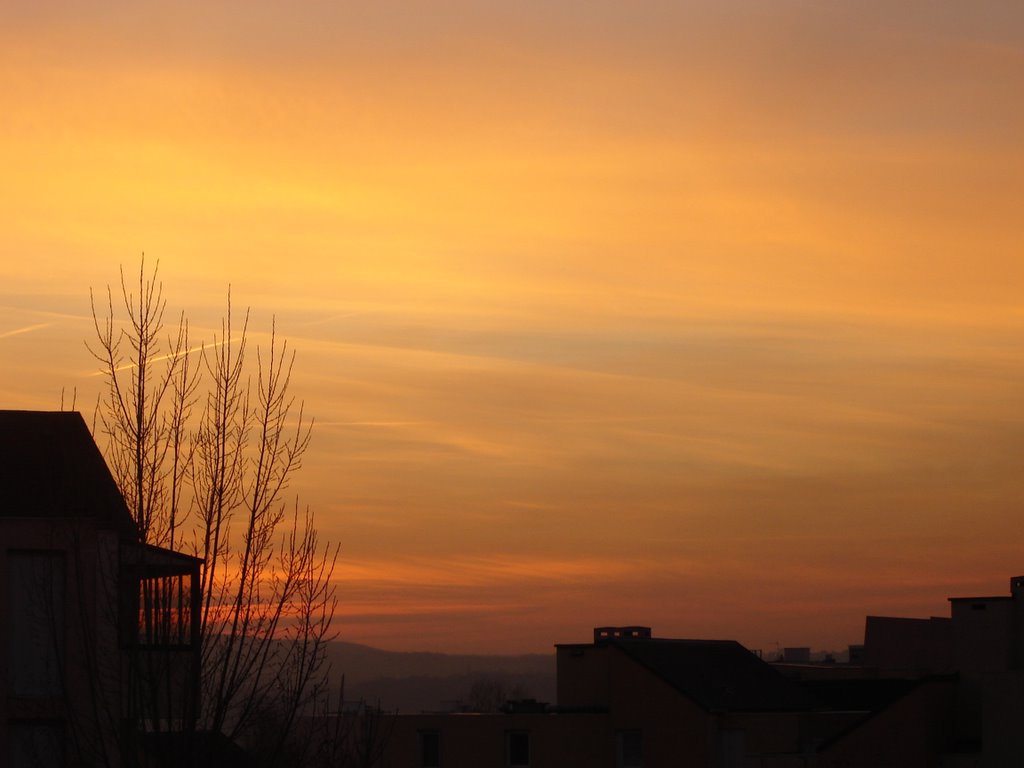

(щёлкни на картинку, чтобы увеличить!)
(click to enlarge!)
Sunday, January 22, 2006
China: their attitudes towards us foreigners 1
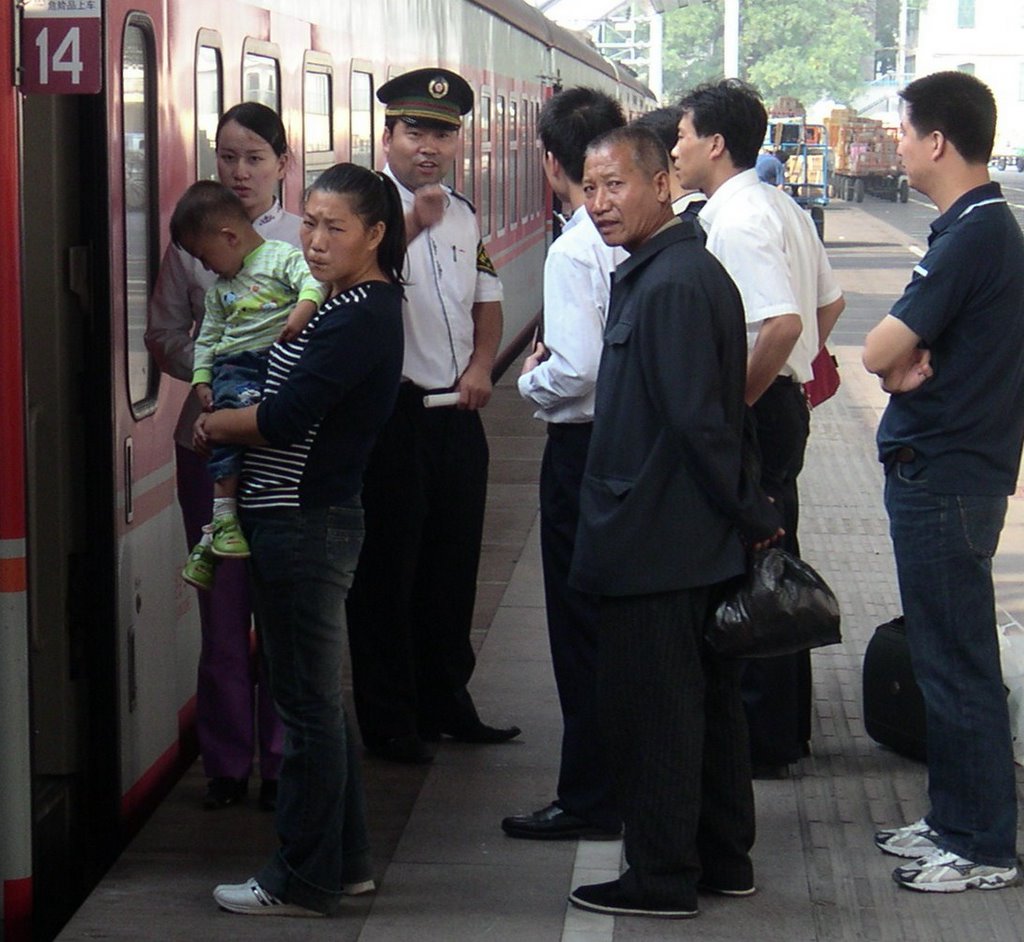
Chinese are very curious about foreigners, they are friendly and it’s easy to establish the first contact. They are very willing to learn foreign languages (esp. English, of coarse), and are totally aware that their educational system is too academic, lacking practice of foreign languages, so they grab every opportunity to talk to the foreigners. Chinese people’s English is sometimes quite funny, they speak like books. Contrary to us, they learn most complicated phrases and very formal English. So when they use it in daily conversations, it is seldom appropriate. They also make A LOT of ridiculous mistakes when translating. You can travel around China and just collect English translations of Chinese signs. Usually, these don’t make any sense and are hilarious.
For Chinese, foreign languages are doors to the world outside China. They sincerely admire people who speak several languages. But also ignore a lot about other countries. If I speak in English to Chinese, I get get two sorts of reaction, completely opposite: one is “Wow, you are Russian, and you can speak English?! How is that possible??” or “You speak English in Russia, right?” Once again, everything is possible in China…
Then, after the first “Hi, my name is…”, making friends with Chinese isn’t that easy. First, the language barrier. You must speak the language good enough to be able to lead the conversation beyond these “standard” Q&As, usually in the following sequence:
“Hi, what’s your name? Where are you from? Oh, where is …(the name of your country) Do you study Chinese here? For how long? Where? Do you like China? What do you think of Chinese food?”
This usually takes from 10 to 20 minutes, depending on your linguistic skills or body language. Then comes an awkward moment of “I should make friends with you to learn Chinese/English, but I have absolutely nothing more to tell you, because I don’t speak your language well enough”…Anyway. Those who came to China to work/study have all been through this and have a picture of the situation. This also reflects that other feeling I sometimes had that for a Chinese, “friendship” with a foreigner is just a means to improve English. It is extremely difficult to become real friends with a Chinese person that doesn’t speak English, unless your Chinese is fluent, of course.
Saturday, January 21, 2006




Sunday, January 15, 2006




Friday, January 13, 2006
Have I stayed too long in China?!? 2 of 2
It’s already my second week in Paris after a year-and-a-half break in China, but I still:
- Look around stupidly way too many times before crossing the street, and when a car is approaching, wait until it gets close and look at the driver a few seconds to see whether he lets me go or not. Must be really annoying for the drivers here, but in China you die if you don’t do that!
- Keep noticing that French girls ALL wear scarves!! And the bigger the scarf, the better! Sometimes they wear HUGE super warm scarves and small thin open shoes… Ridiculous
- Miss chopsticks and Chinese food…Yes I do!
- But also enjoying real European food SO much, even a simple sandwich tastes so good here!
- Feel SO short! In China, it was just perfect, but here people are considerably taller, so I feel so small. “Then again, you ARE very small…” (who knows where this quote is from?)
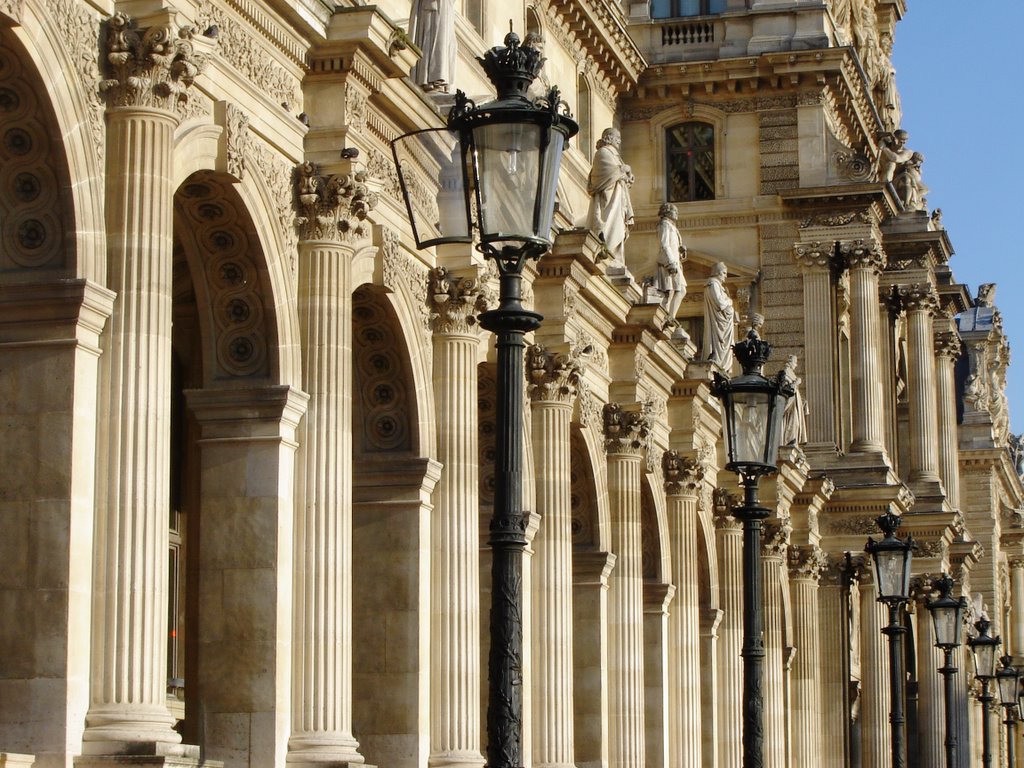
And the last thing: every day in Paris, I can’t help admiring this city, it’s just amazingly beautiful. One of the things to do in this life is definitely come to Paris at least once!
- Look around stupidly way too many times before crossing the street, and when a car is approaching, wait until it gets close and look at the driver a few seconds to see whether he lets me go or not. Must be really annoying for the drivers here, but in China you die if you don’t do that!
- Keep noticing that French girls ALL wear scarves!! And the bigger the scarf, the better! Sometimes they wear HUGE super warm scarves and small thin open shoes… Ridiculous
- Miss chopsticks and Chinese food…Yes I do!
- But also enjoying real European food SO much, even a simple sandwich tastes so good here!
- Feel SO short! In China, it was just perfect, but here people are considerably taller, so I feel so small. “Then again, you ARE very small…” (who knows where this quote is from?)
And the last thing: every day in Paris, I can’t help admiring this city, it’s just amazingly beautiful. One of the things to do in this life is definitely come to Paris at least once!
Thursday, January 12, 2006
Friendship of a cyclist and a driver on Chinese roads. So moving...!
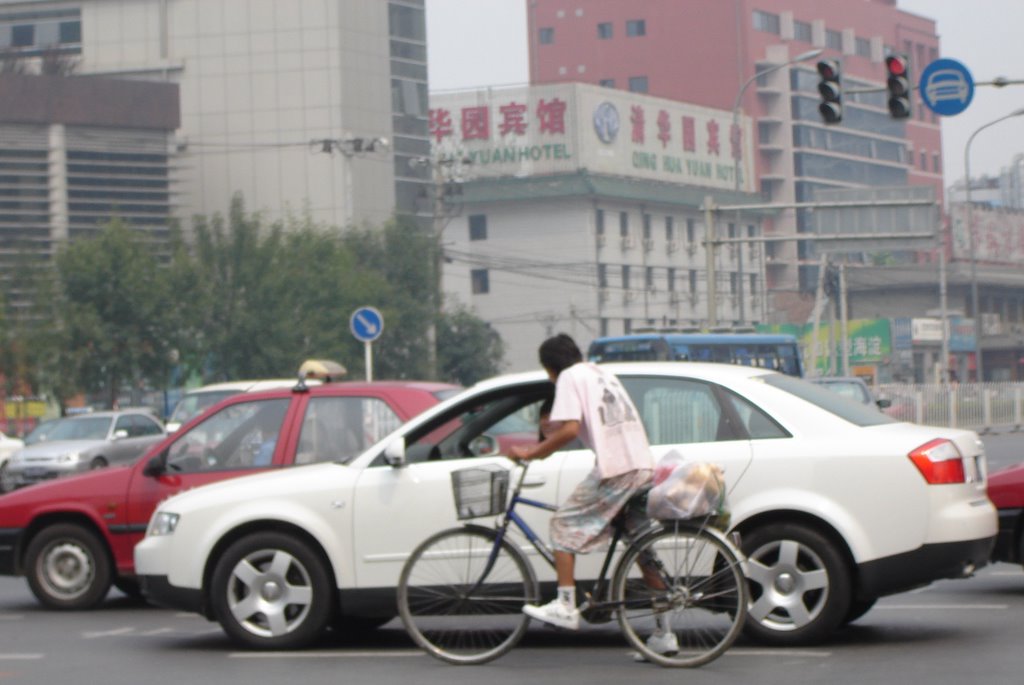
Дружба велосипедиста и шофёра, это так трогательно...!
Wednesday, January 11, 2006
A nice little story for MBA graduates...
From: www.kalibrio.com/foundation1.php?cate=5
A boat docked in a tiny Mexican village. An American tourist
complimented the Mexican fisherman on the quality of his fish and
asked how long it took him to catch them.
"Not very long," answered the Mexican.
"But then, why didn't you stay out longer and catch more?" asked the American.
The Mexican explained that his small catch was sufficient to meet his
needs and those of his family.
The American asked, "But what do you do with the rest of your time?"
"I sleep late, fish a little, play with my children, and take a
siesta with my wife. In the evenings, I go into the village to see my
friends, have a few drinks, play the guitar, and sing a few songs . .
I have a full life."
The American interrupted, "I have an MBA from Harvard and I can help
you! You should start by fishing longer every day. You can then sell
the extra fish you catch. With the extra revenue, you can buy a bigger
boat."
"And after that?" asked the Mexican.
"With the extra money the larger boat will bring, you can buy a
second one and a third one and so on until you have an entire fleet of
trawlers. Instead of selling your fish to a middle man, you can then
negotiate directly with the processing plants and maybe even open your
own plant. You can then leave this little village and move to Mexico
City, Los Angeles, or even New York City! From there you can direct
your huge new enterprise."
"How long would that take?" asked the Mexican.
"Twenty, perhaps twenty-five years," replied the American.
"And after that?"
"Afterwards? Well my Friend, That's when it gets really interesting,"
answered the American, laughing. "When your business gets really big,
you can start selling stock s and make millions!"
"Millions? Really? And after that?" said the Mexican.
"After that you'll be able to retire, live in a tiny village near the
coast, sleep late, play with your children, catch a few fish, take a
siesta with your wife and spend your evenings drinking and enjoying
your friends."
Know where you're going in life... you may already be there
A boat docked in a tiny Mexican village. An American tourist
complimented the Mexican fisherman on the quality of his fish and
asked how long it took him to catch them.
"Not very long," answered the Mexican.
"But then, why didn't you stay out longer and catch more?" asked the American.
The Mexican explained that his small catch was sufficient to meet his
needs and those of his family.
The American asked, "But what do you do with the rest of your time?"
"I sleep late, fish a little, play with my children, and take a
siesta with my wife. In the evenings, I go into the village to see my
friends, have a few drinks, play the guitar, and sing a few songs . .
I have a full life."
The American interrupted, "I have an MBA from Harvard and I can help
you! You should start by fishing longer every day. You can then sell
the extra fish you catch. With the extra revenue, you can buy a bigger
boat."
"And after that?" asked the Mexican.
"With the extra money the larger boat will bring, you can buy a
second one and a third one and so on until you have an entire fleet of
trawlers. Instead of selling your fish to a middle man, you can then
negotiate directly with the processing plants and maybe even open your
own plant. You can then leave this little village and move to Mexico
City, Los Angeles, or even New York City! From there you can direct
your huge new enterprise."
"How long would that take?" asked the Mexican.
"Twenty, perhaps twenty-five years," replied the American.
"And after that?"
"Afterwards? Well my Friend, That's when it gets really interesting,"
answered the American, laughing. "When your business gets really big,
you can start selling stock s and make millions!"
"Millions? Really? And after that?" said the Mexican.
"After that you'll be able to retire, live in a tiny village near the
coast, sleep late, play with your children, catch a few fish, take a
siesta with your wife and spend your evenings drinking and enjoying
your friends."
Know where you're going in life... you may already be there
Monday, January 09, 2006
Echange à Tsinghua
Il y a beaucoup de gens qui m'ont demandé comment s’est passé mon échange à Tsinghua.
Et bien, pour répondre à cela, je dirais que c’était une expérience plutôt positive. En tout cas, ça m’a permis de voir un peu le système éducatif chinois, de qualité en plus, puisque c’est quand même la meilleure université chinoise. J’ai rencontré aussi beaucoup de gens intéressants grâce à ces quatre mois.
Maintenant, pour détailler un peu :
- les cours. La qualité des cours était moyenne. N’y allez pas pour les cours, car la qualité académique n’a rien à voir avec les cours MBA en Europe ou aux Etats-Unis. On peut limiter les dégâts en prenant quelques cours recommandés par des étudiants internationaux, tels Managing Global Innovation, International Marketing, Human Ressource, Advanced Managerial Communication. Il y a parfois des intervenants de MIT qui viennent faire des conférences sur des sujets précis. Eux sont bons par contre. De manière générale, les conférences sont intéressantes et bien menées.
On peut aussi faire du chinois, il y a deux cours basiques proposés. Si c’est trop basique pour vous, il y a aussi possibilité d’aller à l’école de langues qui est à côté du métro Wudaokou et qui s’appelle Diqiucun. Cette école est excellente, il y a des cours de tous niveaux, à tous les horaires possibles et pas cher comparé à l’université de langues par exemple (2h de cours par jour, 5 jours par semaine pour seulement 50 €). On trouve aussi facilement des profs particuliers pour à partir de 3 € de l’heure.
- l’échange avec les étudiants chinois. Dépend de votre motivation et aussi de votre niveau de chinois. Bien qu’étant dans un programme International MBA, ils ne parlent pas toujours bien anglais. Mais on peut faire du language exchange, c’est utile aux deux parties ! Les étudiants chinois sont plutôt accueillants, ils vous montreront Pékin avec plaisir, et vous inviteront au karaoké ! (il y a intérêt à aimer ça en Chine. lol). Par contre, l’âge moyen est beaucoup plus élevé qu’à l’ESSEC. C’est plutôt 30 ans, il y en a qui approchent la quarantaine, mariés avec des enfants.
- activités extrascolaires. Tsinghua a de nombreuses associations et des activités sportives. Pour ces dernières, il n’y a pas de problème, par contre, pour les autres, il faut parler chinois. Déjà, les info sur les associations sont sur le site qu’en chinois et les gens qui en font partie ne parlent pas forcément l’anglais.
- étudiants internationaux. Pour ceci, c’est une expérience unique et très enrichissante. On est amené à rencontrer des personnes du monde entier, avec des parcours totalement différent, et vivre avec eux une expérience quand même hors du commun. Dans ma promo, on organisait des soirées toutes les semaines, et c’était très sympa.
- découverte de Pékin et de la Chine. Par contre, pour cela, vous aurez du temps libre ! L’échange n’étant pas trop prenant, on peut même faire des voyages en dehors de Pékin. Et il y en a des choses à voir en Chine. Mais pour cela, je crois que vous n’aurez pas besoin de mon aide !
En ce qui concerne la différence entre Tsinghua et Guanghua. En fait, c’est un peu comme ESSEC et HEC. On ne peut pas vraiment dire laquelle est meilleure. Je ne sais pas quel est le niveau des cours à Guanghua, et au niveau de l’ensemble de l’échange, je pense que les deux se valent.
Pour les possibilités de trouver des stages, c’est faisable, surtout si vous avez des relations personnelles. C’est surtout par les guanxi que ça marche en Chine. Mais il ne faut pas compter beaucoup sur Tsinghua. Bien qu’ils aient un Career Centre assez important, avec des grandes entreprises qui viennent recruter sur le campus, les offres s’adressent presque toutes à des chinois de nationalité ou totalement bilingues.
Apparemment, on a le choix de partir en février ou en septembre. Je pense que cela doit être équivalent. Dans les deux cas, il y a une semaine de vacances (1er au 7 octobre et 1er au 7 mai), il y a été et hiver au niveau du climat, et il y aura donc possibilité de voyager. Vous pouvez aussi soit arriver un mois plus tôt, en août, soit repartir un mois plus tard, en juillet, pour faire des voyages. A Pékin, les deux mois d’été (juin - juillet), il fait très chaud (30-40°). Et l’hiver, il fait environ 0 à -8°.
Enfin, un point très important : je ne conseille pas de faire cet échange si vous ne parlez pas le chinois ou êtes vraiment débutant !
De mon expérience, parmi les étudiants internationaux qui ne parlaient pas le chinois, environ deux tiers auraient préférés de ne pas venir en Chine. La barrière de la langue est vraiment à considérer et le chinois n’est pas une langue qui s’apprend en 4 mois, même si on est dans l’immersion totale !
Voilà pour le plus important. Je détaillerai les modalités pratiques et ce qu’il faut savoir sur la vie à Pékin dans mon rapport d’échange que je dois avoir fini d’ici une semaine. Sinon, n’hésitez pas de me solliciter par mail pour plus de précisions !
Et bien, pour répondre à cela, je dirais que c’était une expérience plutôt positive. En tout cas, ça m’a permis de voir un peu le système éducatif chinois, de qualité en plus, puisque c’est quand même la meilleure université chinoise. J’ai rencontré aussi beaucoup de gens intéressants grâce à ces quatre mois.
Maintenant, pour détailler un peu :
- les cours. La qualité des cours était moyenne. N’y allez pas pour les cours, car la qualité académique n’a rien à voir avec les cours MBA en Europe ou aux Etats-Unis. On peut limiter les dégâts en prenant quelques cours recommandés par des étudiants internationaux, tels Managing Global Innovation, International Marketing, Human Ressource, Advanced Managerial Communication. Il y a parfois des intervenants de MIT qui viennent faire des conférences sur des sujets précis. Eux sont bons par contre. De manière générale, les conférences sont intéressantes et bien menées.
On peut aussi faire du chinois, il y a deux cours basiques proposés. Si c’est trop basique pour vous, il y a aussi possibilité d’aller à l’école de langues qui est à côté du métro Wudaokou et qui s’appelle Diqiucun. Cette école est excellente, il y a des cours de tous niveaux, à tous les horaires possibles et pas cher comparé à l’université de langues par exemple (2h de cours par jour, 5 jours par semaine pour seulement 50 €). On trouve aussi facilement des profs particuliers pour à partir de 3 € de l’heure.
- l’échange avec les étudiants chinois. Dépend de votre motivation et aussi de votre niveau de chinois. Bien qu’étant dans un programme International MBA, ils ne parlent pas toujours bien anglais. Mais on peut faire du language exchange, c’est utile aux deux parties ! Les étudiants chinois sont plutôt accueillants, ils vous montreront Pékin avec plaisir, et vous inviteront au karaoké ! (il y a intérêt à aimer ça en Chine. lol). Par contre, l’âge moyen est beaucoup plus élevé qu’à l’ESSEC. C’est plutôt 30 ans, il y en a qui approchent la quarantaine, mariés avec des enfants.
- activités extrascolaires. Tsinghua a de nombreuses associations et des activités sportives. Pour ces dernières, il n’y a pas de problème, par contre, pour les autres, il faut parler chinois. Déjà, les info sur les associations sont sur le site qu’en chinois et les gens qui en font partie ne parlent pas forcément l’anglais.
- étudiants internationaux. Pour ceci, c’est une expérience unique et très enrichissante. On est amené à rencontrer des personnes du monde entier, avec des parcours totalement différent, et vivre avec eux une expérience quand même hors du commun. Dans ma promo, on organisait des soirées toutes les semaines, et c’était très sympa.
- découverte de Pékin et de la Chine. Par contre, pour cela, vous aurez du temps libre ! L’échange n’étant pas trop prenant, on peut même faire des voyages en dehors de Pékin. Et il y en a des choses à voir en Chine. Mais pour cela, je crois que vous n’aurez pas besoin de mon aide !
En ce qui concerne la différence entre Tsinghua et Guanghua. En fait, c’est un peu comme ESSEC et HEC. On ne peut pas vraiment dire laquelle est meilleure. Je ne sais pas quel est le niveau des cours à Guanghua, et au niveau de l’ensemble de l’échange, je pense que les deux se valent.
Pour les possibilités de trouver des stages, c’est faisable, surtout si vous avez des relations personnelles. C’est surtout par les guanxi que ça marche en Chine. Mais il ne faut pas compter beaucoup sur Tsinghua. Bien qu’ils aient un Career Centre assez important, avec des grandes entreprises qui viennent recruter sur le campus, les offres s’adressent presque toutes à des chinois de nationalité ou totalement bilingues.
Apparemment, on a le choix de partir en février ou en septembre. Je pense que cela doit être équivalent. Dans les deux cas, il y a une semaine de vacances (1er au 7 octobre et 1er au 7 mai), il y a été et hiver au niveau du climat, et il y aura donc possibilité de voyager. Vous pouvez aussi soit arriver un mois plus tôt, en août, soit repartir un mois plus tard, en juillet, pour faire des voyages. A Pékin, les deux mois d’été (juin - juillet), il fait très chaud (30-40°). Et l’hiver, il fait environ 0 à -8°.
Enfin, un point très important : je ne conseille pas de faire cet échange si vous ne parlez pas le chinois ou êtes vraiment débutant !
De mon expérience, parmi les étudiants internationaux qui ne parlaient pas le chinois, environ deux tiers auraient préférés de ne pas venir en Chine. La barrière de la langue est vraiment à considérer et le chinois n’est pas une langue qui s’apprend en 4 mois, même si on est dans l’immersion totale !
Voilà pour le plus important. Je détaillerai les modalités pratiques et ce qu’il faut savoir sur la vie à Pékin dans mon rapport d’échange que je dois avoir fini d’ici une semaine. Sinon, n’hésitez pas de me solliciter par mail pour plus de précisions !
Saturday, January 07, 2006
Un peu de France à Pékin...
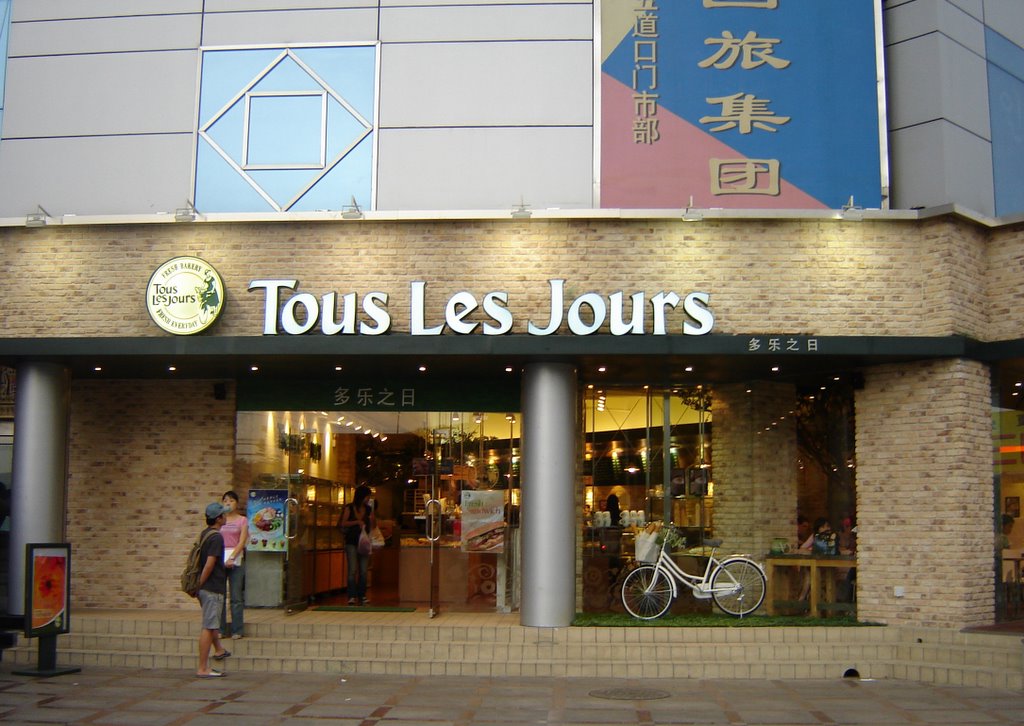
International: café français, tenu par les coréens, au coeur du quartier universitaire à Pékin...
International: French café, opened by Coreans, in the heart of the University district in Beijing...
Have I stayed too long in China?!? 1 of 2
I think it’s been too long I lived in China…why do I say so? Well, because now I’m back to Paris and some stuff keeps happening to me that says that I’m not quite used to living here yet!
So, it’s been definitely too long I was in China, because:
- Every time I automatically convert Euros to RMB and every time it’s more than 100 RMB (which happens like 100 times a day, especially in the supermarkets) I can’t help thinking “Wow, that’s expensive!”
- When I took the bus at the airport, I automatically rushed in without waiting for everybody to get out, because in China, if you wait, you never get in! And so people got angry and of coarse made a loud comment “Il faut laisser passer les gens d’abord!” (“You must let people go out first!”)…French complain… A LOT! Everybody knows that…
- I can’t believe streets are so empty; there are NO people in France!
- Everybody speaks French all the time and I understand everything people say! lol
- …where are all the bikes?...
- Nobody drinks hot water, even in restaurants; they only have cold water… And how come I don’t have a water machine in my room?!?
- People TALK! Yes, they do, and a lot, and ALL THE TIME! The first days, I had a feeling that French never talk at home, so they need to express themselves once outside… in China, you never talk to strangers. In France, you always talk, otherwise you are considered impolite! Quite a few times I was confused when people addressed me in the street with a “bonjour!”, I didn’t know what to say, lol! Have to get used all over again to say hello-thank you-good bye-have a nice day/weekend/afternoon to everybody. French are SO polite!...
- There are NO taxis here…and public transport is so expensive. The time when I could afford taking a taxi ten times a day is well gone…sniff!
- Apartments are so small!
- It rains all the time
- People are all dressed the same, and they only wear dark colours! However, they definitely have more style than the Chinese (no offence, it’s just so different!)
- People use perfumes! I didn’t notice it before, but when you go down the street, you can feel that every person going by has a different perfume. Conclusion: they don’t use perfume in China!
- I almost never need cash here, all payments are by credit card and cheques
- The food tastes SO good! I spend hours choosing yoghurts, ice creams and … stinky cheese of coarse, I missed it SO much!!
- Restaurants are closed in the afternoon…
- And everything is closed on Sunday!
- More than that, you must have a one-year visa now to buy a mobile phone with a one-year “abonnement”! So I can’t have one for at least three weeks, because when you come here, you only have a 3-month visa and you have to apply for the long one at the “préfecture”, which takes a while… Great! It’s no good to be phoneless…
(to be continued, there is a lot more to say about being back to Paris after a year and a half in 中国!)
So, it’s been definitely too long I was in China, because:
- Every time I automatically convert Euros to RMB and every time it’s more than 100 RMB (which happens like 100 times a day, especially in the supermarkets) I can’t help thinking “Wow, that’s expensive!”
- When I took the bus at the airport, I automatically rushed in without waiting for everybody to get out, because in China, if you wait, you never get in! And so people got angry and of coarse made a loud comment “Il faut laisser passer les gens d’abord!” (“You must let people go out first!”)…French complain… A LOT! Everybody knows that…
- I can’t believe streets are so empty; there are NO people in France!
- Everybody speaks French all the time and I understand everything people say! lol
- …where are all the bikes?...
- Nobody drinks hot water, even in restaurants; they only have cold water… And how come I don’t have a water machine in my room?!?
- People TALK! Yes, they do, and a lot, and ALL THE TIME! The first days, I had a feeling that French never talk at home, so they need to express themselves once outside… in China, you never talk to strangers. In France, you always talk, otherwise you are considered impolite! Quite a few times I was confused when people addressed me in the street with a “bonjour!”, I didn’t know what to say, lol! Have to get used all over again to say hello-thank you-good bye-have a nice day/weekend/afternoon to everybody. French are SO polite!...
- There are NO taxis here…and public transport is so expensive. The time when I could afford taking a taxi ten times a day is well gone…sniff!
- Apartments are so small!
- It rains all the time
- People are all dressed the same, and they only wear dark colours! However, they definitely have more style than the Chinese (no offence, it’s just so different!)
- People use perfumes! I didn’t notice it before, but when you go down the street, you can feel that every person going by has a different perfume. Conclusion: they don’t use perfume in China!
- I almost never need cash here, all payments are by credit card and cheques
- The food tastes SO good! I spend hours choosing yoghurts, ice creams and … stinky cheese of coarse, I missed it SO much!!
- Restaurants are closed in the afternoon…
- And everything is closed on Sunday!
- More than that, you must have a one-year visa now to buy a mobile phone with a one-year “abonnement”! So I can’t have one for at least three weeks, because when you come here, you only have a 3-month visa and you have to apply for the long one at the “préfecture”, which takes a while… Great! It’s no good to be phoneless…
(to be continued, there is a lot more to say about being back to Paris after a year and a half in 中国!)
Friday, January 06, 2006
Monday, January 02, 2006
«Biao yin» 表音 and «Biao yi»表意
Разница между китайскими иероглифами и западными алфавитами фондаментальна и заключается в том, что буквы выражают звук, а иероглифы – значение. В китайском это называют «Biao yin» 表音 и «Biao yi»表意.
Китайские иероглифы подразумевают, а не называют звуком. Так что сами китайцы привыкли понимать то, что другой человек подразумевает. Например, говоря на английском, они постоянно путают «он» и «она», потому что на китайском что 他, что 她, звучит одинаково: «та», а визуально в одном иероглифе нарисован мужчина 人, а в другом – женщина女, не перепутаешь! Наверное поэтому говорящий ожидают, что слушащий понимает скорее значение, чем звуки, а сам скорее подразумевает, нежели прямо говорит.
The difference between Chinese characters and Western abc’s is fundamental and consists in that our letters express a sound, but Chinese characters express a meaning. The Chinese call it «Biao yin» 表音 and «Biao yi» 表意.
Chinese characters have an underlying meaning, they don’t express a sound. In this way, the Chinese are used to understand what others understate. To give an example, in English, they always mix up “he” and “she”. This is because in Chinese the sound “ta” is the same for both, 她or 他, but the characters are different: one has a woman女in it, the other - a man人, you can’t mix those up!
Maybe that’s partly a reason why the Chinese never say things directly, but always expect the other to understand the meaning behind the sounds.
Китайские иероглифы подразумевают, а не называют звуком. Так что сами китайцы привыкли понимать то, что другой человек подразумевает. Например, говоря на английском, они постоянно путают «он» и «она», потому что на китайском что 他, что 她, звучит одинаково: «та», а визуально в одном иероглифе нарисован мужчина 人, а в другом – женщина女, не перепутаешь! Наверное поэтому говорящий ожидают, что слушащий понимает скорее значение, чем звуки, а сам скорее подразумевает, нежели прямо говорит.
The difference between Chinese characters and Western abc’s is fundamental and consists in that our letters express a sound, but Chinese characters express a meaning. The Chinese call it «Biao yin» 表音 and «Biao yi» 表意.
Chinese characters have an underlying meaning, they don’t express a sound. In this way, the Chinese are used to understand what others understate. To give an example, in English, they always mix up “he” and “she”. This is because in Chinese the sound “ta” is the same for both, 她or 他, but the characters are different: one has a woman女in it, the other - a man人, you can’t mix those up!
Maybe that’s partly a reason why the Chinese never say things directly, but always expect the other to understand the meaning behind the sounds.
Thursday, December 29, 2005
Про Шанхай
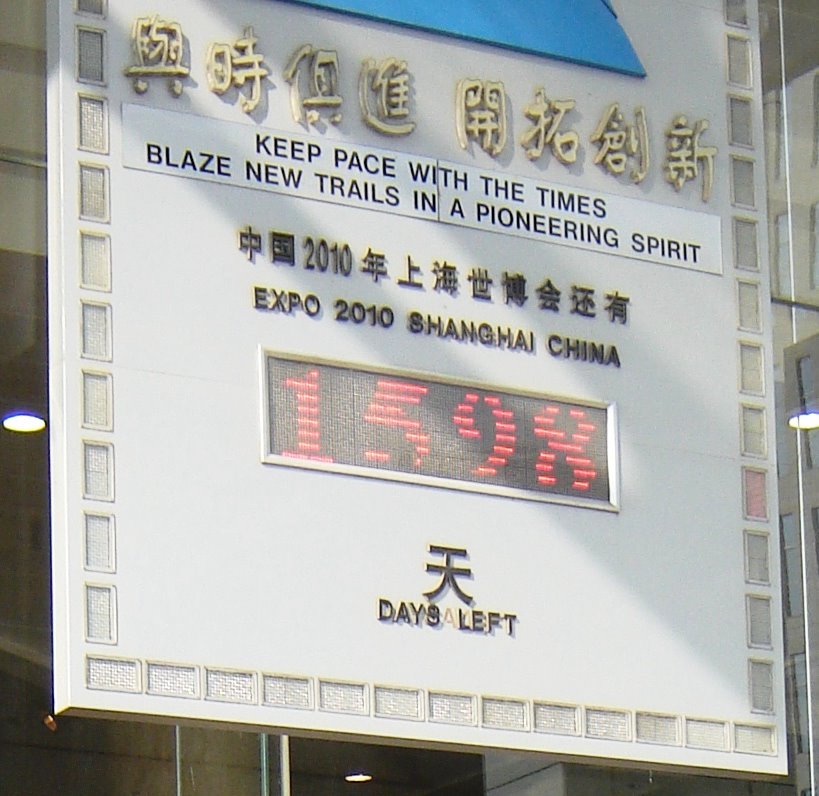
Пару недель назад я ездила в Шанхай. Пекин и Шанхай - два абсолютно разных города. Как две сестры. Пекин – старшая сестра, на ней лежит ответственность перед предками, сраной. Надо «прилично выглядеть», сохранять серьёзный имидж. Поэтому в Пекине огромные широкие улицы, адмнистративные здания, представительные офисы, Олимпийские игры в 2008 году. А Шанхай - младшая сестра, завидующая вниманию старшей. Шанхай – бизнес центр Китая. Это город магазинов и торговых центров. Шанхай считает дни до Всемирной Выставки в 2010 году. К 2020 году Шанхай будет самым большим городом в Китае.
Китайцы в Шанхае говорят на стандартном китайском, что радует, но зато гораздо более ориентированы на туристов и на то, чтоб продать им побольше по высокой цене. В Шанхае тысячи иностранцев-туристов или бизнесменов, не говорящих ни слова по-китайски. В первый же день нас шокировал «коммерческий нюх» шанхайцев, заходящий слишком далеко. Они попытаются продать всё, что можно по возможно высшей цене. В обед мы зашли в какой-то захудалый ресторан на улице, где ходили одни китайцы потрёпанного вида. Не ломая голову над меню, я заказала (на китайском!) две миски макарон, которые оказались не особенно вкусными и не особенно большими... Есть можно было, но только и всего. После того, как мы закончили, подошла какая-то другая девушка-официантка и объявила: 60 юаней (6 евро). Я от удивления аж потеряла дар речи! Такого нахальства со мной за все мои полтора года в Китае ещё не встречалось. Эта девчонка, моложе меня, честно смотрела мне в глаза и называла цену, превышающую по крайней мере раз в 10 реальную. Всё, что я могла произнести было: 60 юаней, за две миски макарон? Не хотелось обвинять её во лжи, заставлять её «терять лицо» (т.е. достоинство). Единственное, что показалось мне тактичным, было попросить её принести меню, где написана цена этих злосчастных макарон. Она отвернулась и захихикала! Потом отошла к другой официантке, и они из глубины ресторана стали, поглядывая на нас и показывая пальцем, откровенно над нами смеятся. От такого мне стало совсем неудобно, я не знала, как выйти из этой дурацкой ситуации. Такого бы никогда не случилось в Пекине. Да, там тоже обманывают иностранцев, но там никогда не будут откровенно и почти в глаза смеятся над тобой! Ведь для китайцев соблюдать внешние приличия-это святое, а тут такая ситуация! Я не китаянка, но даже мне было неудобно просто накричать на них и уйти, не заплативши. Я просто в тот момент настолько не была к этому готова, что мне даже не пришло в голову так поступить. Хорошо, было видно, что мы туристы, но ведь я заказала еду на китайском, а это значит, что живу в Китае не первый месяц, раз выучила язык... После того, как я попросила меню, они, видно поняли, что фокус не удался, подошёл тот официант, которому я заказывала, и сказал «Извините, та девочка ошиблась, не 60 юаней, а 30» Дорого, конечно, тоже, но уже хотелось побыстрее от них отделаться и уйти. До сих пор с возмущением вспоминаю их манеру встречать туристов в родном городе, неужели они на самом деле думали, что мы такие дураки?! Этот инцидент, а также и то, что к Muskie всё время приставали на улице, предлагая «часы-куртки» были не из самых приятных.
В последующие три дня, мы посетили следующие места:
- сад Yu Garden, эпохи Минг, в котором были необычные Стены с Драконами (см. Фотографии в английской версии)
- конечно же Набережную The Bund и легендарный Peace Hotel, который по словам Muskie является одним из самых известный отелей в мире
- Городской храм и Храм Нефритового Будды
- Шанхайский музей, который оказался одним из лучших музеев, где я была, а также музей Города.
Мы также не прошли мимо O’Malley’s, лучшего ирландского паба Китая, очень уютное место с живой музыкой и хорошими напитками, рекомендую.
Наверное, в Шанхае ещё много мест, где мы не были, но времени было мало, и мы прошлись только по самым известным.
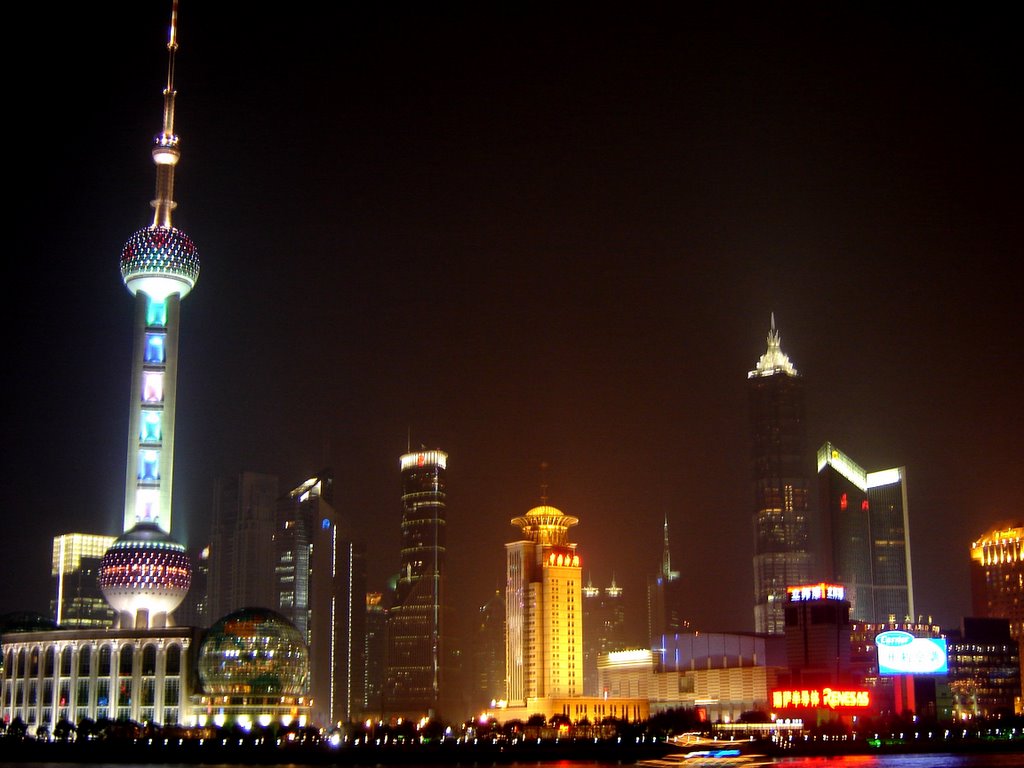
И самое запоминающееся был «самый высокий в мире бар» Cloud Nine, находящийся на восемьдесят с лишним этаже Hyatt Hotel, недалеко от всемирно известной Шанхайской телевизионной башни (Жемчужной башни, Pearl Tower). Сам небоскрёб Hyatt Hotel задуман как «единения Востока и Запада», и выглядит как гигантская современная пагода, очень элегантно. А вид сверху просто потрясающий: яркая разноцветная Жемчужная башня совсем близко, а за ней широкая тёмная и таинственная змея-река, разделяющая историю и будущее города... На реке, между прочим, чтобы не портить вид в центре города, нет ни одного моста, а только подземные тунели... В баре подают только лучший алкоголь, по сравнительно хорошим ценам, но минимальная трата на человека должна превыщать 120 юаней (12 евро), если посетитель не проживает в отеле.
В общем, Шанхай очень отличается от Пекина, но и от остального Китая тоже. Здесь нет велосипедистов (!), а на каждом перекрёстке стоят от двух до четырёх регулировщиков пешеходов и яростно свистят и хватают пешеходов, пытающихся, как в Пекине, перейти улицу непонятно, где и непонятно на какой свет. (Но об этом будет отдельная статья про ПДД или их отсутствие на китайских улицах...)
Китайцы в Шанхае говорят на стандартном китайском, что радует, но зато гораздо более ориентированы на туристов и на то, чтоб продать им побольше по высокой цене. В Шанхае тысячи иностранцев-туристов или бизнесменов, не говорящих ни слова по-китайски. В первый же день нас шокировал «коммерческий нюх» шанхайцев, заходящий слишком далеко. Они попытаются продать всё, что можно по возможно высшей цене. В обед мы зашли в какой-то захудалый ресторан на улице, где ходили одни китайцы потрёпанного вида. Не ломая голову над меню, я заказала (на китайском!) две миски макарон, которые оказались не особенно вкусными и не особенно большими... Есть можно было, но только и всего. После того, как мы закончили, подошла какая-то другая девушка-официантка и объявила: 60 юаней (6 евро). Я от удивления аж потеряла дар речи! Такого нахальства со мной за все мои полтора года в Китае ещё не встречалось. Эта девчонка, моложе меня, честно смотрела мне в глаза и называла цену, превышающую по крайней мере раз в 10 реальную. Всё, что я могла произнести было: 60 юаней, за две миски макарон? Не хотелось обвинять её во лжи, заставлять её «терять лицо» (т.е. достоинство). Единственное, что показалось мне тактичным, было попросить её принести меню, где написана цена этих злосчастных макарон. Она отвернулась и захихикала! Потом отошла к другой официантке, и они из глубины ресторана стали, поглядывая на нас и показывая пальцем, откровенно над нами смеятся. От такого мне стало совсем неудобно, я не знала, как выйти из этой дурацкой ситуации. Такого бы никогда не случилось в Пекине. Да, там тоже обманывают иностранцев, но там никогда не будут откровенно и почти в глаза смеятся над тобой! Ведь для китайцев соблюдать внешние приличия-это святое, а тут такая ситуация! Я не китаянка, но даже мне было неудобно просто накричать на них и уйти, не заплативши. Я просто в тот момент настолько не была к этому готова, что мне даже не пришло в голову так поступить. Хорошо, было видно, что мы туристы, но ведь я заказала еду на китайском, а это значит, что живу в Китае не первый месяц, раз выучила язык... После того, как я попросила меню, они, видно поняли, что фокус не удался, подошёл тот официант, которому я заказывала, и сказал «Извините, та девочка ошиблась, не 60 юаней, а 30» Дорого, конечно, тоже, но уже хотелось побыстрее от них отделаться и уйти. До сих пор с возмущением вспоминаю их манеру встречать туристов в родном городе, неужели они на самом деле думали, что мы такие дураки?! Этот инцидент, а также и то, что к Muskie всё время приставали на улице, предлагая «часы-куртки» были не из самых приятных.
В последующие три дня, мы посетили следующие места:
- сад Yu Garden, эпохи Минг, в котором были необычные Стены с Драконами (см. Фотографии в английской версии)
- конечно же Набережную The Bund и легендарный Peace Hotel, который по словам Muskie является одним из самых известный отелей в мире
- Городской храм и Храм Нефритового Будды
- Шанхайский музей, который оказался одним из лучших музеев, где я была, а также музей Города.
Мы также не прошли мимо O’Malley’s, лучшего ирландского паба Китая, очень уютное место с живой музыкой и хорошими напитками, рекомендую.
Наверное, в Шанхае ещё много мест, где мы не были, но времени было мало, и мы прошлись только по самым известным.
И самое запоминающееся был «самый высокий в мире бар» Cloud Nine, находящийся на восемьдесят с лишним этаже Hyatt Hotel, недалеко от всемирно известной Шанхайской телевизионной башни (Жемчужной башни, Pearl Tower). Сам небоскрёб Hyatt Hotel задуман как «единения Востока и Запада», и выглядит как гигантская современная пагода, очень элегантно. А вид сверху просто потрясающий: яркая разноцветная Жемчужная башня совсем близко, а за ней широкая тёмная и таинственная змея-река, разделяющая историю и будущее города... На реке, между прочим, чтобы не портить вид в центре города, нет ни одного моста, а только подземные тунели... В баре подают только лучший алкоголь, по сравнительно хорошим ценам, но минимальная трата на человека должна превыщать 120 юаней (12 евро), если посетитель не проживает в отеле.
В общем, Шанхай очень отличается от Пекина, но и от остального Китая тоже. Здесь нет велосипедистов (!), а на каждом перекрёстке стоят от двух до четырёх регулировщиков пешеходов и яростно свистят и хватают пешеходов, пытающихся, как в Пекине, перейти улицу непонятно, где и непонятно на какой свет. (Но об этом будет отдельная статья про ПДД или их отсутствие на китайских улицах...)
Wednesday, December 28, 2005
Shanghai rules!
I went to Shanghai a couple of weeks ago. It was my first time to Shanghai and I loved it.
China has two daughters: Beijing is the older daughter, Shanghai is the younger one. Beijing is The Capital, it has to keep the tradition, look presentable, maintain the glory of the country, etc etc. It represents China in the eyes of the world. It has the Olympics in 2008.
Shanghai doesn’t have all this fame; it is jealous, wants to be different. Shanghai is business. All you see in the city are shops and shopping centres. Quite impressive. Shanghai counts days left before the World expo 2010. Shanghai plans to become China’s biggest city by 2020.
People in Shanghai can speak Mandarin, which is convenient, but they are much more “tourist-oriented” than Beijing. There are thousands of foreigners in Shanghai, they don’t speak Chinese and come only to visit or for business. In our first day, we were shocked by Shanghai people’s “feeling for business” which sometimes goes too far. They would sell you anything for a highest price. For lunch, we went into a small low quality Chinese restaurant. In Chinese, I ordered two bowls of fried noodles, which turned out to be not big nor very good. It was just OK. When I asked for the bill, a different girl came to me and said “60 yuan”. She was looking straight at me, and lying without blinking. I was so shocked that I didn’t know what to say. “60 kuai fro two bowls of noodles???” I didn’t want to make her “lose face” by saying that she was simply lying. So the only thing I could think of was ask her to bring the menu with the prices and show me the price. She turned around and started to laugh. She walked away, joined the other girl and they started to laugh and point at us. This was clearly humiliating, it would never happen in Beijing! The first waiter then came to us with the bill. “Excuse me, the girl made a mistake, it’s 30 yuan”. It was still too much, but he already made an invoice and I was so shocked and humiliated by the attitude of those people that I didn’t argue any more. We should have just walked away without paying. It was clearly seen that we were tourists since Muskie’s Fodor’s guide was on the table, but I spoke to them in Chinese, what made them think me were idiots?! This incident, along with street vendors always trying to sell Muskie “watch-jacket-…”, were quite annoying…
During the following three days, we saw a lot of Shanghai’s places of interest:
- Yu Garden, which impressed me with its Dragon walls

- The Bund, of coarse, and the legendary Peace Hotel, which according to what Muskie told me, is one of the world’s most famous hotels
- The City temple and the Jade Buddha temple

- Shanghai Museum, which turned out to be one of the best museums I’ve ever been to, and Shanghai Urban Museum
We’ve also been to “China best Irish pub”, O’Malley’s, very nice place, I highly recommend it.
I’m sure there are more places to see, but we didn’t have enough time to do all that, so we basically just chose the “must-dos”.

And the most impressive experience in Shanghai was definitely the evening in the “world highest bar”, Cloud Nine, situated on the eighty-something floor of Hyatt Hotel, next to the Pearl Tower. The skyscraper itself is designed to represent “a union of East and West”: it is pagoda like, very elegant. The view from the top is amazing… The Pearl tower is close, colourful, the bridgeless river – like a giant dark snake crossing the city peacefully and separating the history from the future. The bar serves only best alcohol, at reasonable prices, but if you are not staying in Hyatt hotel, you must order for more than 120 yuan (12€).
All in all, I loved Shanghai, it is a beautiful place. It has nothing to do with “real China” though; don’t go there if you want to experience China. But after a year and a half in Beijing, I wouldn’t mind come to Shanghai for work.
Я – Alien... История из жизни.
Приходит русский «негражданин Латвии» в «Управление гражданства и иммиграции» Риги, узнать, где получать гражданский паспорт после сдачи экзаменов (так называемая натурализация). Заходит и спрашивает:
- Скажите пожалуйста, где получают гражданские паспорта?
Женщина в «информации» отвечает:
- Вы посмотрели, куда зашли?
Пауза.
Видно было, как человек, иронично заулыбавшись, про себя подумал, что бы ответить на такой умный вопрос, но, вспомнив, что находится в госинстанции, где работают исключительно люди, лишённые чувства юмора, человек промолчал. Тоном, выражавшим всё, что он про себя подумал, но сказать не решился, он ответил:
- В «Управление гражданства и иммиграции».
На что женщина опять спрашивает:
- А что внизу вывески написано вы прочитали?
Пауза.
- Нет, не прочитал...- cказал человек, тоном, опять выражавшим всё, что он про себя подумал, но сказать не решился.
- Внизу вывески написано «Центр обслуживания иностранцев». Вы знаете, кто в Латвии иностранцы?
Длинная пауза. Человек заухмылялся, захихикал и на этот раз, тоном, наконец выражавшим то, что он уще давно хотел сказать, но не решался, заявил:
- Я - иностранец...!
Женщина иронически-пренебрежительно взглянула на него:
- Вы русский, а не иностранец, вам не сюда!
...
Интересно получается: когда речь идёт о правах, мы не сдешние, мы-иностранцы. А когда надо что-то для нас сделать, то мы и не иностранцы. Получается мы - никто. Когда я пришла во французское посольство сдавать документы на визу, я не знала, что писать в графе «Nationalité». На что мне резонно ответили: у вас на паспорте что написано? То и пишите! Я недоумённо взглянула на свой « Alien’s passeport» (что в переводе на русский кстати означает «Паспорт инопланетянина...») –Так и пишите, «Alien» . Без лишних слов я так и написала. Я – Alien...
- Скажите пожалуйста, где получают гражданские паспорта?
Женщина в «информации» отвечает:
- Вы посмотрели, куда зашли?
Пауза.
Видно было, как человек, иронично заулыбавшись, про себя подумал, что бы ответить на такой умный вопрос, но, вспомнив, что находится в госинстанции, где работают исключительно люди, лишённые чувства юмора, человек промолчал. Тоном, выражавшим всё, что он про себя подумал, но сказать не решился, он ответил:
- В «Управление гражданства и иммиграции».
На что женщина опять спрашивает:
- А что внизу вывески написано вы прочитали?
Пауза.
- Нет, не прочитал...- cказал человек, тоном, опять выражавшим всё, что он про себя подумал, но сказать не решился.
- Внизу вывески написано «Центр обслуживания иностранцев». Вы знаете, кто в Латвии иностранцы?
Длинная пауза. Человек заухмылялся, захихикал и на этот раз, тоном, наконец выражавшим то, что он уще давно хотел сказать, но не решался, заявил:
- Я - иностранец...!
Женщина иронически-пренебрежительно взглянула на него:
- Вы русский, а не иностранец, вам не сюда!
...
Интересно получается: когда речь идёт о правах, мы не сдешние, мы-иностранцы. А когда надо что-то для нас сделать, то мы и не иностранцы. Получается мы - никто. Когда я пришла во французское посольство сдавать документы на визу, я не знала, что писать в графе «Nationalité». На что мне резонно ответили: у вас на паспорте что написано? То и пишите! Я недоумённо взглянула на свой « Alien’s passeport» (что в переводе на русский кстати означает «Паспорт инопланетянина...») –Так и пишите, «Alien» . Без лишних слов я так и написала. Я – Alien...
Saturday, December 17, 2005
Sunday, December 11, 2005
HSK exam
Today I took HSK exam, 汉语水平考试, internationally recognized Chinese language test for non-native speakers and Chinese minorities who don’t speak standard Mandarin. The test consists of two parts: beginner & intermediate (ranging from 1 to 8), and advanced (8 to 11, 11 being equivalent to bilingual). I took the first one, hoping to get more than 4, because 1 to 3 are not official grades, you don’t get anything if your score is less than 4 in all four parts of the test. (listening, grammar, reading, blank-filling)
I was the only white person there... As expected. When we were waiting in front of the classroom, however, there was a group of Asian-looking Russian-speaking guys and girls, but they don’t count as “white” either.
We were supervised by two women, one of them read us instructions all the long of the exam “welcome to the HSK exam…the listening part is now over, please proceed to the grammar part…Five minutes left before the end of the reading part…” and so on. The task paper came closed with four green stickers that we were only allowed to tear after the corresponding instruction.
The exam itself was difficult just as expected; luckily I took HSK course at my language school for 3 months. It lasted 2:30 hours, no time to waste, you actually have to be pretty quick, don’t have time to think over each question. Chinese way: if you know, you go, if you don’t, too bad for you.
The funny thing was after the exam. The supervising girls had to count all the answer papers and question papers that we had to hand back. First, some Korean guy tried to “steаl” his question paper. He probably thought they wouldn’t notice. Yet they did. He submitted quickly. But then they found one answer paper with two corners tore off. “Who did it?” they asked, but no one spoke. That wasn’t a very clever attitude, because each candidate had to write his question paper number on his answer page. It took the girls ten minutes to find out who the guy was. Yet, they made a mistake and called an “innocent” guy first. He mumbled that he didn’t do that, which provoked everybody’s laugh. They then realized it wasn’t him, and found the right guy. The guy was sure to be found, but he still waited until called by name to give the corners back. Why would somebody do that? He tore off half of the front page, with listening questions on the other side that obviously couldn’t possibly be used…anyway, thanks to that guy we spent 15 more minutes in the classroom, after which everybody was released.
The results will be mailed to my home address in January.

Сегодня я сдавала HSK, 汉语水平考试, экзамен по китайскому языку для иностранцев и китайских национальных меньшинств, не говорящих на стандартном китайском. Экзамен делится на две части: начинающий и средний уровень (от 1 до 8), и высший уровень (от 8 до 11). 11 уровень означает знание языка специализированныого переводчика. Причём 1 по 3 уровни не удостаиваются даже дипломом, не считаются достаточными. Я сдавала на средний уровень.
Как и предполагалось, я была там единственным белым человеком. Правда в коридоре встретила группу парней и девушек азиатской внешности, говорящих по-русски, но они не считаются.
На весь экзамен-два с половиной часа, времени думать нет. Вполне на китайский манер: знаешь - пиши не раздумывая, не знаешь, значит пролетаешь.
В течение всего экзамена нам зачитывали инструкции «добро пожаловать на экзамен...сейчас вы услышите вопросы с 1ого по 20...теперь пожалуйста переверните страницу…экзамен считается законченным, пожалуйста положите ручки и не покидайте свои места…» Причём зачитывала всё это по официальной бумажке одна из учительниц.
Но смешное было после экзамена. Сначала один из корейцев попытался стащить вопросы. Но т.к. при подсчёте одной бумаги не доставало, ему пришлось её вернуть. Потом ещё лучше. У одной бумаги с вопросами оказались жестоко оторванными два угла. «Кто это сделал?» Никто не признался. Но ведь на каждом ответном листе мы написали номер нашего листа с вопросами. Минут десять ушло на вычисление виновного. Причём сначала по ошибке обвинили другого, только потом назвали имя «злодея», которому пришлось вернуть отодранные скомканные углы. Зачем, спрашивается, отрывал? И чего сразу не отдал? Училки что-то пометили на бумажке. Всё это нас задержало минут на 15, после чего все были свободны.
Результаты придут по почте мне домой в январе.
I was the only white person there... As expected. When we were waiting in front of the classroom, however, there was a group of Asian-looking Russian-speaking guys and girls, but they don’t count as “white” either.
We were supervised by two women, one of them read us instructions all the long of the exam “welcome to the HSK exam…the listening part is now over, please proceed to the grammar part…Five minutes left before the end of the reading part…” and so on. The task paper came closed with four green stickers that we were only allowed to tear after the corresponding instruction.
The exam itself was difficult just as expected; luckily I took HSK course at my language school for 3 months. It lasted 2:30 hours, no time to waste, you actually have to be pretty quick, don’t have time to think over each question. Chinese way: if you know, you go, if you don’t, too bad for you.
The funny thing was after the exam. The supervising girls had to count all the answer papers and question papers that we had to hand back. First, some Korean guy tried to “steаl” his question paper. He probably thought they wouldn’t notice. Yet they did. He submitted quickly. But then they found one answer paper with two corners tore off. “Who did it?” they asked, but no one spoke. That wasn’t a very clever attitude, because each candidate had to write his question paper number on his answer page. It took the girls ten minutes to find out who the guy was. Yet, they made a mistake and called an “innocent” guy first. He mumbled that he didn’t do that, which provoked everybody’s laugh. They then realized it wasn’t him, and found the right guy. The guy was sure to be found, but he still waited until called by name to give the corners back. Why would somebody do that? He tore off half of the front page, with listening questions on the other side that obviously couldn’t possibly be used…anyway, thanks to that guy we spent 15 more minutes in the classroom, after which everybody was released.
The results will be mailed to my home address in January.
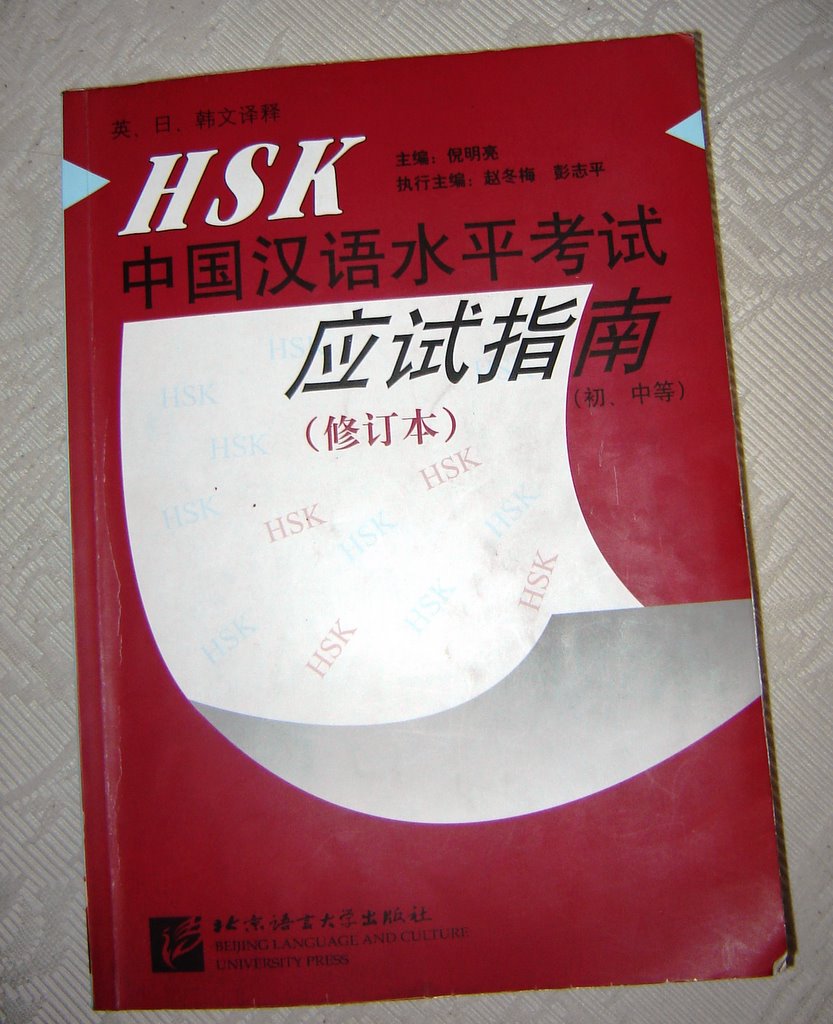
Сегодня я сдавала HSK, 汉语水平考试, экзамен по китайскому языку для иностранцев и китайских национальных меньшинств, не говорящих на стандартном китайском. Экзамен делится на две части: начинающий и средний уровень (от 1 до 8), и высший уровень (от 8 до 11). 11 уровень означает знание языка специализированныого переводчика. Причём 1 по 3 уровни не удостаиваются даже дипломом, не считаются достаточными. Я сдавала на средний уровень.
Как и предполагалось, я была там единственным белым человеком. Правда в коридоре встретила группу парней и девушек азиатской внешности, говорящих по-русски, но они не считаются.
На весь экзамен-два с половиной часа, времени думать нет. Вполне на китайский манер: знаешь - пиши не раздумывая, не знаешь, значит пролетаешь.
В течение всего экзамена нам зачитывали инструкции «добро пожаловать на экзамен...сейчас вы услышите вопросы с 1ого по 20...теперь пожалуйста переверните страницу…экзамен считается законченным, пожалуйста положите ручки и не покидайте свои места…» Причём зачитывала всё это по официальной бумажке одна из учительниц.
Но смешное было после экзамена. Сначала один из корейцев попытался стащить вопросы. Но т.к. при подсчёте одной бумаги не доставало, ему пришлось её вернуть. Потом ещё лучше. У одной бумаги с вопросами оказались жестоко оторванными два угла. «Кто это сделал?» Никто не признался. Но ведь на каждом ответном листе мы написали номер нашего листа с вопросами. Минут десять ушло на вычисление виновного. Причём сначала по ошибке обвинили другого, только потом назвали имя «злодея», которому пришлось вернуть отодранные скомканные углы. Зачем, спрашивается, отрывал? И чего сразу не отдал? Училки что-то пометили на бумажке. Всё это нас задержало минут на 15, после чего все были свободны.
Результаты придут по почте мне домой в январе.
Subscribe to:
Posts (Atom)


